
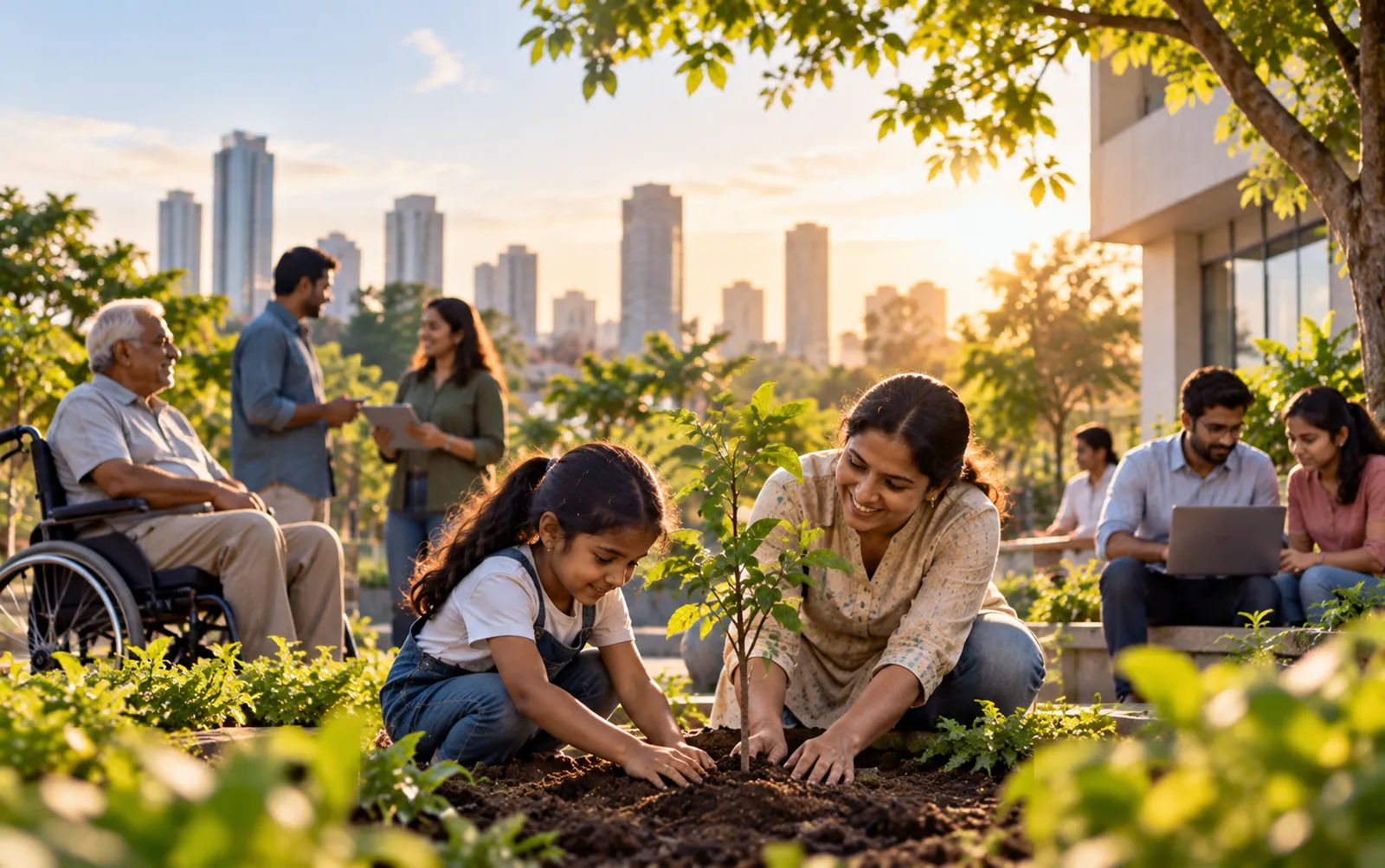
Sustainability has traditionally been associated with environmental conservation efforts that protect natural resources and ecosystems. However, its significance goes beyond the realm of ecology and extends to social, economic, and cultural spheres as well. In today’s interconnected world, sustainability has evolved into a comprehensive approach that aims to secure a better future for humanity and our planet. In this context, let us explore the multifaceted importance of sustainability beyond just environmental concerns.
Source: https://education.nationalgeographic.org/resource/sustainable-development-goals/
1. Social Equity and Justice
Sustainability entails ensuring social equity and justice for all members of society. It encompasses eradicating poverty, reducing inequality, and promoting access to education, healthcare, and basic human rights. By prioritizing social well-being, sustainable development fosters inclusive growth, empowers marginalized communities, and builds resilient societies(United Nations, 2020; World Bank, 2019).
2. Economic Prosperity
A sustainable economy balances economic growth with environmental protection and social welfare. Investments in renewable energy, green technologies, and circular economies mitigate climate change, spur innovation, and create employment opportunities. Sustainable business practices promote long-term profitability by minimizing risks, enhancing reputation, and meeting the evolving needs of consumers(World Economic Forum, 2021; Sustainable Brands, 2022).
3. Cultural Preservation
Cultural sustainability encompasses preserving heritage, traditions, and indigenous knowledge systems. By respecting diverse cultures and promoting cultural exchange, societies can foster tolerance, dialogue, and mutual understanding. Cultural sustainability also involves revitalizing local crafts, languages, and customs, thereby enriching the cultural tapestry of humanity(UNESCO, 2020; International Journal of Heritage Studies, 2018).
4. Health and Well-being
A sustainable lifestyle promotes holistic health and well-being for individuals and communities. Access to clean air, water, and nutritious food is essential for human flourishing. Sustainable urban planning, green spaces, and active transportation options contribute to physical fitness and mental health. Moreover, sustainable healthcare practices aim to minimize waste, reduce pollution, and ensure equitable access to healthcare services(World Health Organization, 2021; The Lancet Planetary Health, 2019).
5. Interconnectedness and Global Cooperation
Sustainability recognizes the interconnectedness of global challenges and the imperative of collective action. Climate change, biodiversity loss, and pandemics are transboundary issues that require international cooperation and solidarity. Nations can address common challenges through multilateral agreements, partnerships, and knowledge-sharing and achieve goals for a sustainable future(United Nations, 2030 Agenda; Intergovernmental Panel on Climate Change, 2021).
Conclusion
The concept of sustainability encompasses more than just environmental issues; it encompasses social, economic, cultural, and health considerations that contribute to overall human welfare. A comprehensive approach to sustainability can foster a world where abundance is distributed equitably, diversity is valued, and future generations enjoy flourishing lives. People, enterprises, governments, and civil society groups must uniteto pursue this shared goal of a sustainable and just tomorrow.
References:
– United Nations. (2020). Sustainable Development Goals.
– World Bank. (2019). Poverty and Equity Brief.
– World Economic Forum. (2021). The Global Risks Report.
– Sustainable Brands. (2022). Sustainable Business Practices.
– UNESCO. (2020). Intangible Cultural Heritage.
– International Journal of Heritage Studies. (2018). Cultural Sustainability.
– World Health Organization. (2021). Health and Sustainable Development Goals.
– The Lancet Planetary Health. (2019). Planetary Health and Well-being.
– Intergovernmental Panel on Climate Change. (2021). Climate Change 2021: Impacts, Adaptation, and Vulnerability.
– United Nations. (2030). Transforming our world: the 2030 Agenda for Sustainable Development.
Author: NIS


Leave a Reply